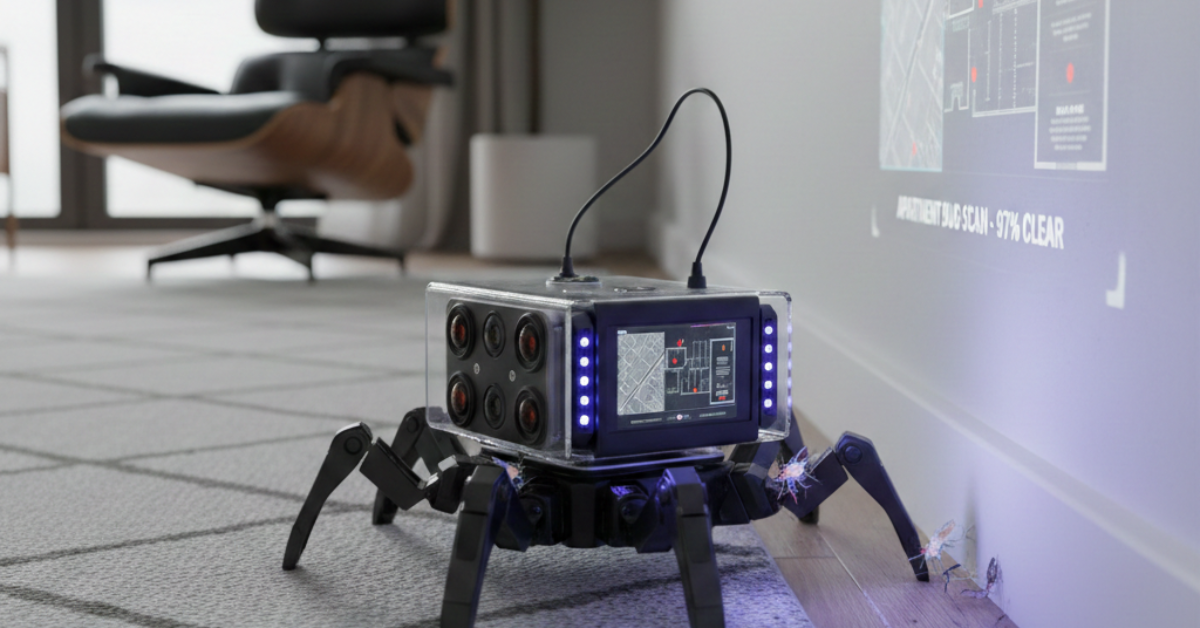
Your apartment should feel quiet, private, and under your control. Yet tiny devices can hide in plain sight. A mic, camera, or tracker can be cheap and easy to place. If your gut says something is wrong, listen to it. A visit from apartment bug sweepers can replace worry with clear facts. Below are five signs that often show up before people discover a real privacy problem.
1. You Hear Strange Noises During Calls
A bad network can cause static, yet patterns matter. Do you continue to hear the same clicks, echoes, or low buzzing? Is it more common at home than outside? Some hidden transmitters can create interference. The sound may be faint, but it can repeat at similar times. You might also notice a light hum near a wall outlet or a lamp.
A trained team of apartment bug sweepers checks the most common hiding zones first. They scan smoke alarms, vents, routers, power strips, and wall plates. They also look for devices tucked behind décor. The goal is simple. You move from guessing to knowing.
2. Unusual Electrical Activity
Pay attention to power behavior that feels new. Lights that flicker for no clear reason matter. Outlets that feel warm can matter as well. Small surveillance tools often need power. Some draw from a USB port or a nearby socket. Others plug into a power strip and disappear behind furniture.
You may also see odd changes on your phone. The battery drains faster at home. Data usage spikes without a clear cause. Bluetooth shows unknown pair requests. Before you blame old wiring, consider a targeted check. A professional apartment bug inspection can detect suspicious signals and hidden hardware. It can also show whether the issue is harmless or high risk.
3. You Notice New or Moved Objects
This sign is easy to miss because it feels minor. A loose vent cover. A slightly crooked smoke detector. A screw that looks fresh. A picture frame that sits at a new angle. Mini cameras can hide inside everyday items. Chargers, air fresheners, clocks, and even light bulbs can carry tiny lenses. Some devices use wide angles, so placement changes are small.
Do a walkthrough and check the areas with the best views within your home. In bedrooms, living rooms, and at entry and exit points, those are areas where they may be. If you are in a new home, go through the place thoroughly. When you want certainty, call apartment bug sweepers with proper detection tools. They can locate radio signals and spot lens reflections. They also check shared-wall areas that tenants often overlook.
4. You Feel Watched, or Your Privacy Is Breached
Sometimes the loudest warning is your own feelings. You sense eyes on you. You feel tense when you speak at home. You keep lowering your voice without knowing why. Another clue is information leakage. A person mentions details you never shared online. Someone repeats a private conversation word for word. A stranger seems to know your routines.
Many renters already think about safety for locks and windows. Today, safety also includes digital and physical privacy. This is why pest control for tenants sometimes expands into broader home safety advice. Your space should protect you from more than pests. A specialist team of residential bug sweepers focuses on living spaces like apartments and condos. They know where devices hide in compact rooms. They also understand shared hallways and maintenance access. If you feel uneasy in your own home, treat it as a real signal.
5. You Recently Ended a Conflict or Relationship
Privacy risks often rise after conflict. Breakups, disputes, and legal tension can trigger bad choices. Tracking tags and small recorders are widely available. If someone has access to your keys, your WiFi, or your devices, take it seriously. Change passwords. Update router settings. Review smart home permissions. A sweep is also a smart move after repeated maintenance visits. It is not about panic. It is about prevention.
Many tenants feel calmer after hiring apartment bug sweepers during stressful periods. A clean scan restores a sense of control.
Why Quick Action Matters
Hidden devices can capture routines, private talks, and daily habits. That information can be misused. The longer a device remains hidden, the more it will collect. It lowers the risk of harassment and stalking at the earliest. It can also reduce the chance of identity theft. If you ever need proof, a documented report can help.
Apartments have unique risks. Shared walls, shared wiring paths, and shared access points exist. Hallways and utility areas can create extra exposure.

How to Protect Your Apartment Moving Forward
Start with simple habits. Keep your WiFi secured with strong passwords. Turn off unused Bluetooth. Check the permissions granted in apps on your phone. Put a cover on laptop cameras when they’re not in use. Avoid leaving smart speakers active in private rooms. Check new devices before plugging them in.
Track who enters your space. Note maintenance dates. Ask for notice when possible. If building policies allow, request access logs. Stay alert to changes in your apartment. If warning signs return, contact apartment bug sweepers again for a follow-up sweep.
Final Thoughts
Your apartment should be a refuge, not a question mark. Odd call noise, strange power behavior, moved objects, privacy leaks, and personal conflict can all point to a real issue. Hidden devices are small, yet the impact can be huge. Acting early keeps you in control. A professional sweep can restore calm and confirm your safety.
FAQs
- How often should I book a sweep for an apartment?
Once a year is smart, and anytime signs appear. - Can a tenant legally request a sweep in a rental unit?
Yes, tenants can hire a professional for their private accommodation. - How long is a typical sweep?
According to the size of the apartment, inspections take at least 2-4 hours.
